
Weekly Cantonese: aak1 gwai2 sik6 dau6 fu6每週廣東話: 呃鬼食豆腐
The Hungry Ghost Festival has just begun. Let's learn a Cantonese phrase related to ghosts and explore the origins of the festival.
盂蘭節啱啱開始,今個星期就同大家認識吓咩係「呃鬼食豆腐」,同埋盂蘭節嘅來源啦。
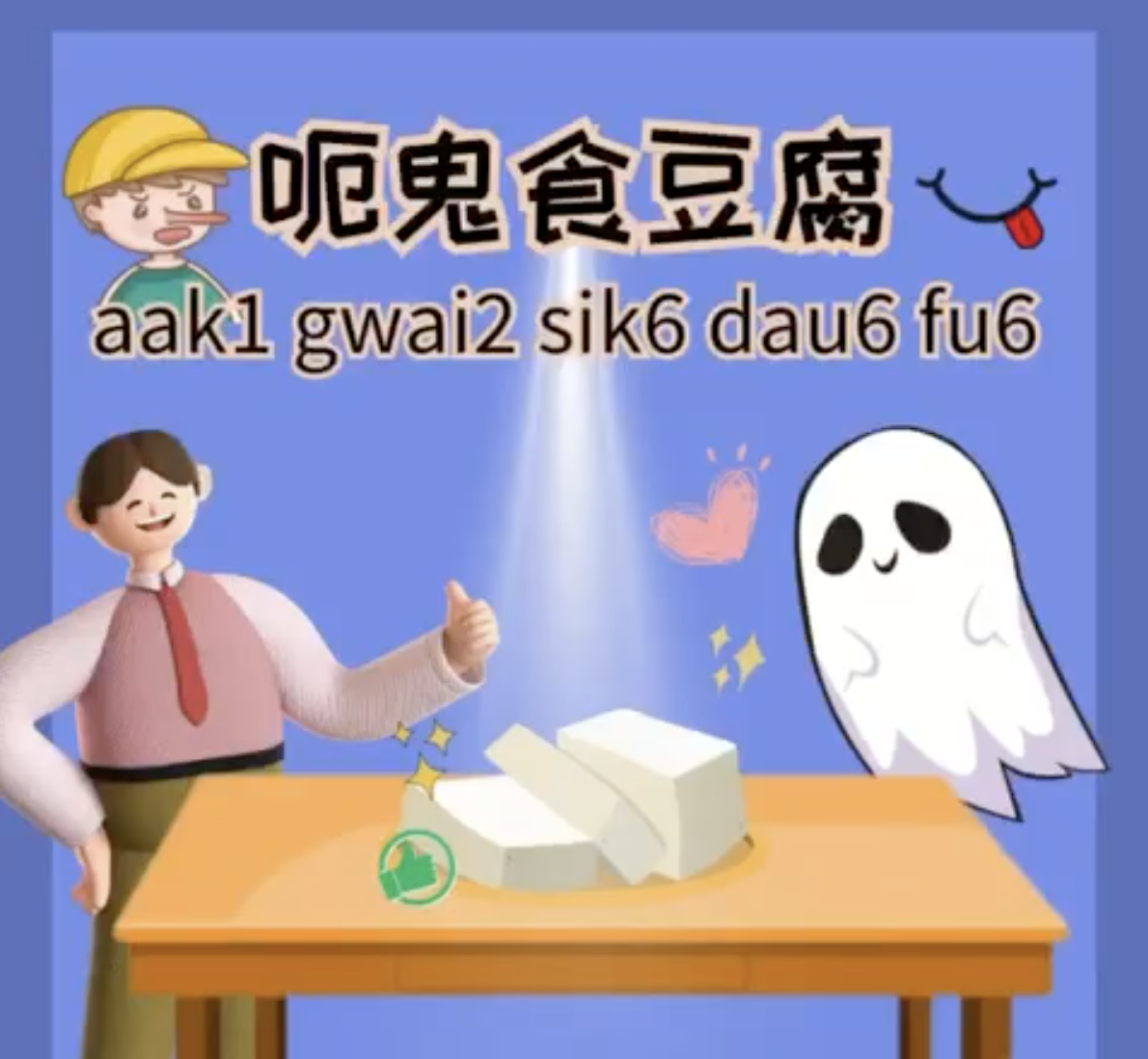
Literal meaning : Trolling the ghost, and make them eat tofu
Meaning: pulling a fast one on someone
意思:指講嘢完全冇根據,作咗一個大話出嚟,離譜至極,根本唔會有人相信。
Example:
'Hey, I've just acquired a major corporation today!'
'Are you pulling a fast one on someone with this? Is it even possible?'
例句:
「喂,我今日買咗間大公司啊!」
「你呃鬼食豆腐啊你,有冇可能呀。」
點解要呃隻鬼食豆腐?原來傳說有隻鬼想食人,但個人同佢講:「我又酸又臭,食豆腐好過食我。」咁就呃咗隻鬼唔好食佢自己啦。
🔈 Hear it on https://www.instagram.com/reel/CwqXwFhyt5w
Why would a ghost eat tofu? In a tale from the past, a ghost wanted to devour a human. But a clever human tricked the ghost by saying, "I exude an unpleasant odor and possess a sour taste, making me a far less delectable option than tofu." This story is used to describe incredibly absurd and unbelievable speech.
盂蘭節起源於古代嘅農曆七月,相傳有人睇到媽媽喺地獄受苦,佢將各種食物供奉僧人,結果將媽媽從餓鬼手中救返出嚟。盂蘭節,又名華人嘅鬼節,大家會準備各種製品,例如糕點、水果、燒雞鴨等,供奉喺祖先嘅神位前面,佢哋亦會燒紙錢,相信可以將財富帶到陰間。
The Hungry Ghost Festival, in July according to the lunar calendar, began when a devoted person saw their mother suffering among hungry ghosts in hell. To save her, offerings were made to monks. Known as the Halloween in the East, it involves preparing offerings like pastries, fruits, and poultry. Symbolic currency is burnt for ancestors for spiritual cleansing and protection.